Northeast Ohio gives commercial HVAC equipment about six weeks of grace between heating season and cooling season. By mid-April most rooftop units have switched modes, chillers are coming online, and condensers that sat idle through winter are about to carry full load. The buildings that ride out summer without a callout are the ones that used April to actually commission their cooling — not just turn it on and hope.
This is the walkthrough we run for facility managers across Cleveland, Akron, Canton, and Toledo before the first stretch of 90-degree days. It builds on the broader spring HVAC checklist we published in February, but goes deeper on the cooling-specific items that get skipped when a tech is just doing a quick visual.
Why a Cooling Startup Isn't Just "Flip the Switch"
A commercial cooling system that sat in standby through a Northeast Ohio winter has been through five months of temperature swings, freeze-thaw cycles, and bird and rodent activity around the condenser. Belts have stretched, contactor pitting has progressed, and refrigerant charge has had plenty of time to find any leak that developed last fall.
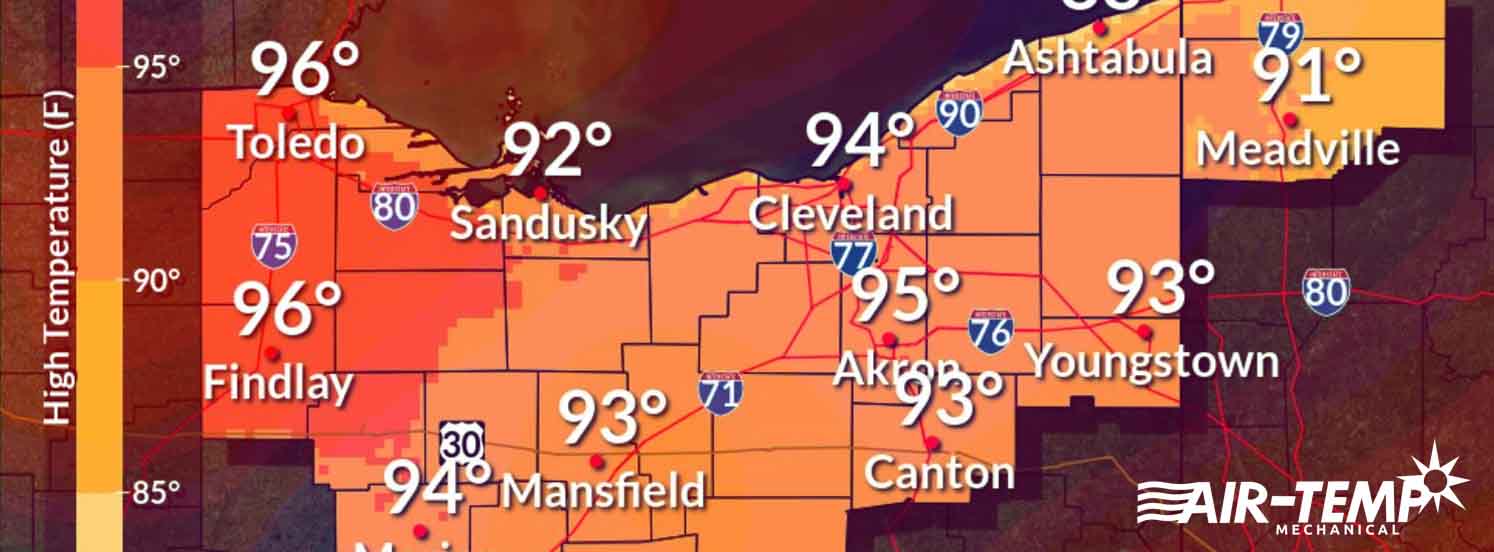
The first 85-degree afternoon is the worst possible time to discover all of that at once. By that point your tenants are calling, your refrigerated cases are climbing into the danger zone, and every commercial HVAC service shop in the region has a full dispatch board. A planned April commissioning visit is a fraction of the cost of a June emergency call — and it gives you time to order parts on a normal lead time instead of a panic one.
The Pre-Summer Commissioning Checklist
1. Refrigerant Charge and Leak Verification
This is the single highest-value item on the list, and it became more important this year. Under the 2026 EPA refrigerant rules, systems with 15+ pounds of charge now require documented leak inspections at defined intervals. April commissioning is a natural time to satisfy that requirement — and to catch a slow leak before it turns into a compressor failure under summer load.
What a proper charge verification involves:
Superheat and subcooling readings at design conditions, not just "the gauges look right"
Electronic leak detection on every accessible joint and brazement, plus UV dye if a slow leak has been suspected
Documented charge weight and any added refrigerant logged for EPA recordkeeping
Verification that any phased-down refrigerant on site is being managed against your replacement timeline
2. Condenser Coil and Surroundings
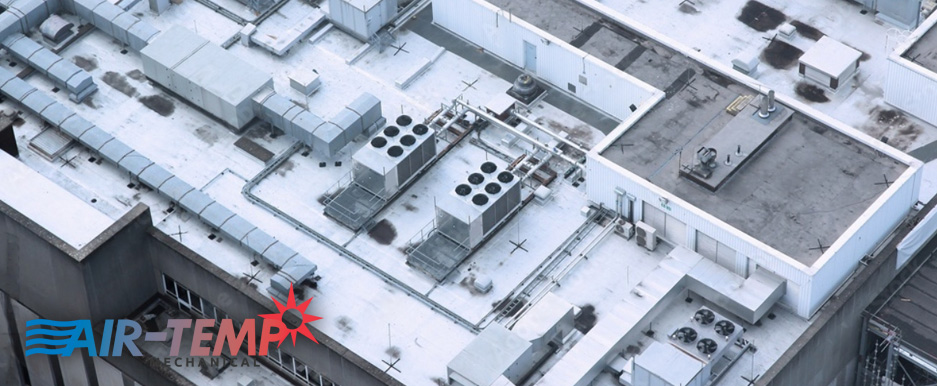
Outdoor condensers spend the winter accumulating cottonwood seed, leaves, plastic bags, and — surprisingly often — small animals. A coil that's 30% blocked loses far more than 30% of its capacity, because the head pressure climbs and the compressor works harder for less heat rejection.
Pull the panels, inspect the fin pack from the inside, and clean with a coil cleaner appropriate for the metallurgy. While the panels are off, look at the contactor faces, capacitor bulge, and the condition of any insulation on the suction line. The 15 minutes spent here in April pays back in compressor life.
3. Evaporator, Drain Pan, and Condensate Path
Indoor coils that ran in heating mode all winter are now about to start producing condensate again. A clogged drain line or rusted-through pan will dump water into a ceiling, a server room, or a tenant space the first time the unit runs in cooling. Verify:
Drain pan integrity and slope toward the drain
Trap is primed and the line is clear all the way to its termination
Float switches and overflow safeties actually function (test them — don't just look at them)
Coil is clean on the air-entering side; a dirty coil will not give up its dirt later
4. Air-Side: Filters, Belts, and Airflow
Replace filters before cooling season starts, not when they're visibly black. Check belt tension and condition on any belt-drive fans — a belt that snaps in July is a four-hour outage; a belt that gets replaced in April is a 20-minute item on a planned visit. Verify supply and return airflows against design and reset any economizer dampers that drifted out of calibration over the winter.
5. Building Management System Sequences
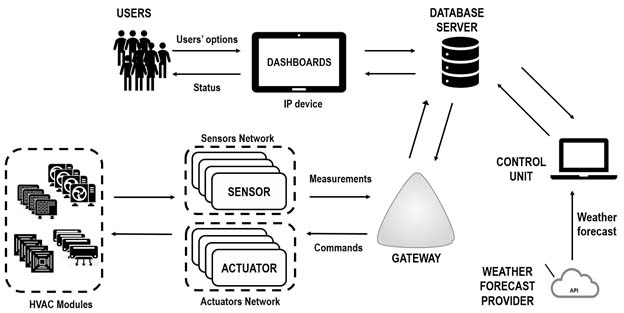
Cooling-mode sequences haven't run since last fall. Step through them:
Confirm cooling setpoints and occupied/unoccupied schedules match current building use
Verify economizer changeover is set correctly for our climate (most Northeast Ohio buildings benefit from differential enthalpy if the sensors are reliable, dry-bulb if they aren't)
Walk through staging logic on multi-compressor units and watch for short-cycling
Check that any overrides set during heating season have been cleared
BMS drift is real. We routinely find buildings running 24/7 cooling because someone overrode a schedule in February and never put it back.
6. Electrical: Contactors, Capacitors, Connections
An infrared scan of disconnects, contactors, and lug terminations during commissioning catches loose connections before they arc. Capacitors that read low on a meter in April will fail in July — replace them now. Contactor faces with visible pitting should be replaced, not "watched."
7. Documentation and Handoff
Every reading, every adjustment, every part replaced gets logged. The startup report becomes the baseline you measure against the next time something feels off. It's also what your insurer or auditor will ask for if anything ever goes wrong.
What Commissioning Catches That a Tune-Up Doesn't
A standard tune-up is reactive: clean what looks dirty, replace what's obviously failed, top off the charge if pressures are low. Commissioning is verification: the system is performing within design at measured conditions, with documentation. The difference shows up six weeks later, when the tune-up customer is calling for emergency service and the commissioned customer is comfortable.
This is especially true for buildings that have had recent control upgrades, refrigerant retrofits, or any equipment over 12 years old. Most summer breakdowns we respond to trace back to something that would have been visible during a proper April commissioning visit. And once peak season arrives, the job shifts from commissioning to defense — see our summer peak-load reliability playbook for keeping systems running through the hottest weeks.
Schedule Your Pre-Summer Commissioning
Air-Temp Mechanical performs cooling season startup and commissioning across Cleveland, Akron, Canton, Toledo, Columbus, Youngstown, Medina, and Sandusky. Our NATE-certified technicians handle preventative maintenance contracts, one-time commissioning visits, and full commercial HVAC service for buildings of every type — from single rooftop units to multi-chiller plants.
Call (216) 579-1552 to get on our April–May commissioning schedule, or contact us online. The earlier you call, the more flexibility you have on the visit date — and the less likely you are to be one of the calls we're triaging on the first 90-degree afternoon.